The Brain's 'Ctrl+Alt+Del': Microdosing Psychedelics for Neuroplasticity and the Corporate Upgrade
Abstract
Forget the corner office, the real frontier for corporate advantage might just be the neural pathways of your employees. As the demands of the modern economy intensify, traditional wellness programs are proving insufficient to foster the deep cognitive resilience and creativity required for sustained peak performance.
Psychedelic microdosing, once a fringe pursuit, is rapidly gaining scientific and commercial legitimacy. Sub-perceptual doses of compounds like psilocybin and LSD are showing promise in enhancing neuroplasticity, sharpening focus, and boosting problem-solving abilities without intoxicating effects, effectively offering a biochemical 'upgrade' to the human operating system.
This burgeoning field is poised to disrupt the multi-billion dollar corporate wellness market and redefine performance optimization. Biotech innovators, research institutions, and technology platforms are converging to develop regulated, personalized solutions, attracting significant investment interest.
While regulatory hurdles and ethical considerations remain, the long-term investment opportunity in this sector is compelling. For those willing to navigate the complexities, the potential for significant returns, alongside contributing to a paradigm shift in human well-being and corporate efficiency, is genuinely intriguing.
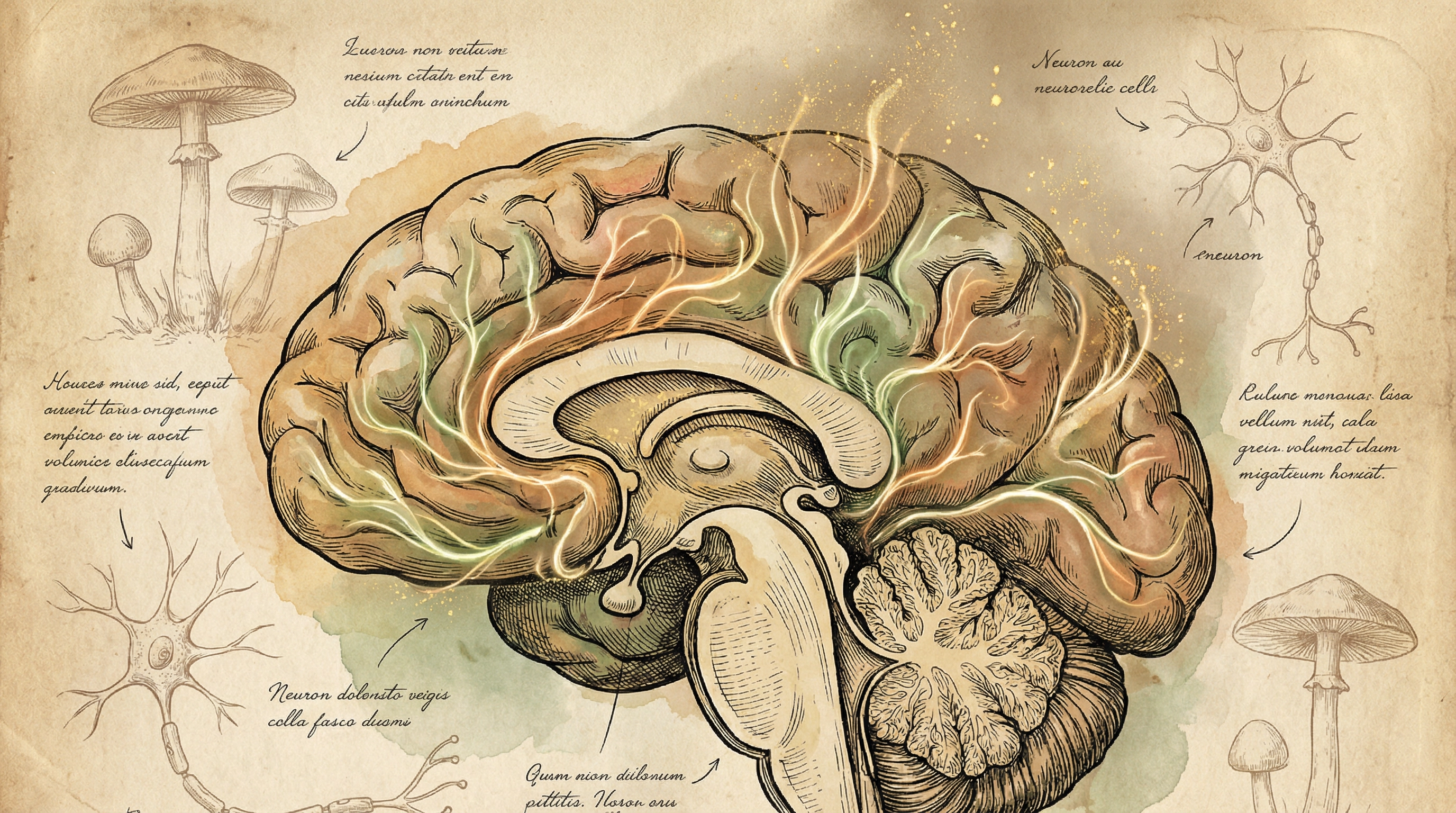
One might imagine the C-suite of a Fortune 500 company, perhaps even a venerable investment bank, as a bastion of traditionalism. Yet, beneath the veneer of bespoke suits and bottom lines, a quiet revolution is brewing, involving substances once relegated to counter-culture communes: psychedelics. Specifically, the subtle art of microdosing is emerging from the shadows.
This isn't for kaleidoscopic visions. It's for a more prosaic, yet profoundly impactful, goal: enhancing cognitive function and fostering neuroplasticity in the relentless pursuit of corporate excellence [1].
This isn't about recreational escapism.
We're talking about sub-perceptual doses of compounds like psilocybin or LSD, meticulously measured to subtly nudge the brain's inherent capabilities, not overwhelm them. The promise? Sharper focus, heightened creativity, improved problem-solving, and a more resilient mindset – all highly coveted attributes in today's hyper-competitive business landscape [2].
The Corporate Cognition Conundrum
TL;DR
- Microdosing: Psychedelics like psilocybin and LSD are gaining traction in corporate settings for enhancing cognitive function and neuroplasticity, not for recreational purposes.
- Market Growth: The global psychedelic therapeutics market is projected to reach $10.75 billion by 2027, indicating significant investment and growth.
- Paradigm Shift: This trend suggests a potential paradigm shift in corporate wellness and human capital optimization, moving beyond traditional programs.
- Key Risks: Regulatory hurdles and societal stigma remain significant risks for companies operating in the psychedelic space.
- Investment Watch: Investors should watch companies like Compass Pathways (CMPS) and Atai Life Sciences (ATAI) for developments in psychedelic-based cognitive enhancement.
In an era where mental agility is arguably more valuable than physical prowess, the modern workforce faces an unprecedented cognitive load. From managing endless data streams to navigating complex geopolitical shifts, the demand for sustained high-level performance is relentless. Traditional corporate wellness programs, while well-intentioned, often fall short of addressing the deeper neural mechanisms that underpin peak cognitive function [3].
This is where the notion of neuroplasticity enters the boardroom.
Neuroplasticity is the brain's remarkable ability to reorganize itself by forming new neural connections. Imagine a brain that doesn't just cope with change but actively thrives on it, adapting and innovating with a fluidity previously thought unattainable. Psychedelic microdosing, it turns out, might just be the biochemical key to unlocking this cerebral elasticity, offering a tantalizing glimpse into a future where brain optimization is as routine as a morning espresso, but with far more profound effects [4].
The Landscape: Where Minds Meet Markets in a Brave New World
The narrative around psychedelics has undergone a seismic shift, transforming from illicit substances to legitimate therapeutic and cognitive tools. This isn't merely a cultural fad; it's a meticulously researched paradigm shift, driven by compelling scientific data and a growing recognition of their potential to address some of society's most intractable mental health and performance challenges [5].
What was once whispered in hushed tones is now being discussed in scientific journals and, increasingly, in investment prospectuses. The global psychedelic therapeutics market, for instance, is projected to reach $10.75 billion by 2027, a testament to the burgeoning interest and capital flowing into this once-taboo sector [6]. This burgeoning market isn't just about treating illness; it's also about enhancing wellness and performance.
The Neuro-Enhancement Imperative
The relentless pace of technological advancement and global competition has created an insatiable demand for cognitive enhancement. Companies are constantly seeking an edge, and that edge increasingly lies in the mental acuity and innovative capacity of their human capital. This has led to a quiet, yet significant, exploration of tools that can optimize brain function beyond traditional methods [7].
From Silicon Valley startups to Wall Street trading floors, the pursuit of cognitive advantage is paramount. While nootropics have gained some traction, their effects are often subtle and inconsistent. Psychedelic microdosing, with its potential to induce lasting neuroplastic changes, presents a far more compelling, albeit controversial, proposition for those seeking a genuine performance uplift [8].
The stigma surrounding psychedelics is rapidly eroding, paving the way for a multi-billion dollar industry focused on both therapeutic applications and, increasingly, cognitive enhancement in high-performance environments.
The Technology Deep Dive: Unpacking the Brain's Biochemical 'Reset Button'
At the heart of psychedelic microdosing's allure lies its profound impact on neuroplasticity – the brain's ability to form and reorganize synaptic connections. Think of your brain as a complex, sprawling city, with roads and highways representing neural pathways. Over time, some roads become deeply rutted, making it hard to build new ones or reroute traffic. Psychedelics, even in minute doses, appear to act like urban planners, encouraging the construction of new avenues and the repair of old ones [9].
The primary mechanism involves the 5-HT2A serotonin receptor, a key target for classic psychedelics like psilocybin (from 'magic mushrooms') and LSD. When these compounds bind to this receptor, they trigger a cascade of intracellular events that ultimately lead to increased neuroplasticity. This includes the upregulation of brain-derived neurotrophic factor (BDNF), often dubbed 'Miracle-Gro for the brain,' which promotes the growth and survival of neurons [10].
Synaptic Sprouting and Cognitive Flexibility
Research indicates that even sub-perceptual doses can induce synaptogenesis, the formation of new synaptic connections, and increase dendritic spine density. Imagine your brain cells suddenly growing more branches and leaves, creating a denser, more interconnected network. This enhanced connectivity is believed to underpin improvements in cognitive flexibility, problem-solving, and learning [11].
Furthermore, microdosing may modulate the default mode network (DMN), a brain network associated with self-referential thought, rumination, and habitual patterns. By subtly dampening the DMN's activity, individuals may experience a reduction in rigid thinking, an increase in divergent thought, and a greater openness to new ideas – qualities highly prized in innovation-driven sectors [12].
It's like temporarily turning off the brain's auto-pilot, allowing for more conscious, creative navigation.
The Dose Makes the Difference
The critical distinction in microdosing is the sub-perceptual nature of the dose. Typically, this means consuming 1/10th to 1/20th of a recreational dose, or approximately 10-20 micrograms of LSD or 0.1-0.5 grams of dried psilocybin mushrooms [13]. At these levels, users report no intoxicating effects, but rather subtle shifts in mood, energy, and cognitive function. The goal is to gently enhance, not to induce altered states of consciousness.
This precise dosing strategy aims to maximize the therapeutic and cognitive benefits while minimizing any potential side effects. The science is still young, but early indications suggest that these minute quantities are sufficient to engage the relevant neurobiological pathways without triggering the full psychedelic experience. It's akin to a precisely tuned instrument, where a slight adjustment can yield a harmonious improvement [14].
Market Implications: Reshaping Wellness, Performance, and the Bottom Line
The mainstreaming of psychedelic microdosing carries profound market implications, extending far beyond the immediate pharmaceutical sector. It promises to disrupt corporate wellness, performance optimization, and even the very fabric of how organizations foster innovation and employee well-being. This isn't just about new drugs; it's about a new paradigm for human capital management [15].
Consider the burgeoning corporate wellness market, already a $57 billion global industry [16]. If microdosing proves to be a safe and effective tool for reducing stress, improving focus, and boosting creativity, it could carve out a significant niche, offering a more potent alternative to meditation apps and ergonomic chairs. Companies investing in their employees' cognitive health could see tangible returns in productivity and innovation.
The Performance Optimization Arms Race
In sectors where cognitive output is king – think software development, high-frequency trading, creative industries, and strategic consulting – any tool that promises a legitimate edge will be eagerly explored. The 'biohacking' movement, already popular among tech elites, has openly embraced microdosing as a means to optimize brain function and maintain peak performance under pressure [17]. This trend is likely to proliferate as scientific validation grows.
Furthermore, the potential for microdosing to foster psychological resilience and reduce burnout is a significant draw for employers. With 77% of employees experiencing burnout at their current job [18], solutions that genuinely address mental fatigue and promote emotional well-being could lead to substantial reductions in employee turnover and healthcare costs, directly impacting a company's profitability.
Shifting Regulatory and Social Acceptance
The market's evolution is heavily contingent on regulatory shifts and increasing social acceptance. Decriminalization efforts in cities like Denver and Oakland, alongside the growing number of states legalizing medical cannabis, signal a broader trend towards re-evaluating drug policies [19]. As more research emerges, the path to regulated access for cognitive enhancement, particularly in professional settings, becomes increasingly plausible.
This will open doors for a new ecosystem of ancillary services, from specialized clinics offering guided microdosing protocols to technology platforms for personalized dosing and effect tracking. The market will likely see a blend of pharmaceutical-grade compounds and naturally derived alternatives, catering to diverse preferences and regulatory environments. The future of corporate wellness might just involve a very different kind of 'brain food' [20].
The Players: Architects of the Psychedelic Renaissance
The nascent psychedelic industry is a vibrant ecosystem, attracting a diverse array of players from biotech startups to established pharmaceutical giants, all vying for a slice of this rapidly expanding pie. These innovators are not just developing compounds; they're building the infrastructure for a new era of mental health and cognitive enhancement [21].
Biotech Innovators and Pharmaceutical Entrants
Companies like COMPASS Pathways (CMPS) are at the forefront, focusing on psilocybin therapy for treatment-resistant depression. While their primary focus is on therapeutic applications, their research into psilocybin's mechanisms of action directly informs the understanding of microdosing's potential for neuroplasticity and cognitive benefits [22]. Their success in clinical trials is paving the way for broader acceptance.
MindMed (MNMN) is another significant player, exploring various psychedelic and empathogen-inspired medicines. Their pipeline includes compounds for anxiety, ADHD, and substance abuse, but their research into LSD's effects on neuroplasticity and cognitive function is particularly relevant to the microdosing narrative [23]. They are actively investigating the non-hallucinogenic benefits of these compounds.
Research Institutions and Advocacy Groups
Academic institutions like Johns Hopkins University and Imperial College London have established dedicated psychedelic research centers, conducting rigorous studies into the therapeutic and neurobiological effects of these substances [24]. Their work provides the scientific bedrock upon which the entire industry is being built, separating evidence-based applications from anecdotal claims.
Organizations like the Multidisciplinary Association for Psychedelic Studies (MAPS) have been instrumental in advocating for research and policy reform for decades. Their tireless efforts have significantly contributed to the shifting public perception and regulatory environment, creating the fertile ground for commercial development [25]. They are the unsung heroes of this renaissance.
Emerging Technology and Wellness Platforms
Beyond the compounds themselves, a new wave of companies is emerging to support the ecosystem. This includes platforms developing personalized dosing regimens, digital therapeutics for integration support, and even 'smart' wearables to track physiological responses. While many are still in stealth mode or early stages, they represent the future infrastructure for widespread adoption [26].
Consider the potential for AI-driven platforms to analyze individual neurochemical profiles and recommend optimal microdosing protocols, or virtual reality tools for guided integration sessions. The intersection of psychedelic science and advanced technology promises a highly personalized and data-driven approach to cognitive enhancement. The future of corporate wellness might just be a carefully calibrated dose away.
A diverse ecosystem of biotech firms, research institutions, and advocacy groups are collaboratively driving the psychedelic renaissance, with significant investment flowing into understanding and commercializing these compounds for both therapeutic and performance-enhancing applications.
Challenges & Risks: Navigating the Uncharted Waters of the Mind
While the promise of psychedelic microdosing for neuroplasticity and cognitive enhancement is compelling, the path forward is fraught with significant challenges and risks. This isn't a simple 'magic pill' scenario; it involves complex biological interactions, deeply entrenched societal perceptions, and a labyrinthine regulatory environment [27]. Ignoring these hurdles would be a disservice to both investors and potential users.
Regulatory Minefield and Legal Ambiguity
The most immediate challenge remains the legal status of most psychedelic compounds. Psilocybin and LSD are still classified as Schedule I substances under federal law in many jurisdictions, implying a high potential for abuse and no accepted medical use [28]. This classification severely restricts research, production, and commercialization, creating a significant barrier to entry and scalability.
While decriminalization efforts are gaining momentum, full federal legalization for non-therapeutic uses, particularly for corporate wellness, is likely years away. This regulatory uncertainty creates a high-risk environment for investors and limits the ability of companies to operate openly and without legal peril. The patchwork of state and local laws further complicates matters, creating a legal quagmire for any national or international expansion [29].
Dosing Precision and Quality Control
Unlike traditional pharmaceuticals, the precise dosing and standardization of psychedelic microdoses, especially for naturally derived psilocybin, remains a significant hurdle. The potency of 'magic mushrooms' can vary wildly, making consistent microdosing a challenge without pharmaceutical-grade production and rigorous quality control [30]. This variability introduces risks of inconsistent effects or, worse, accidental macro-dosing.
Furthermore, the lack of regulated supply chains creates opportunities for unregulated, potentially contaminated, or mislabeled products to enter the market. Ensuring purity and consistent potency is paramount for both safety and efficacy, a challenge that will require significant investment in manufacturing and testing infrastructure as the industry matures [31].
Psychological and Physiological Unknowns
Despite promising anecdotal reports and early research, the long-term effects of chronic microdosing on the human brain and psyche are still largely unknown. While short-term studies show promise, the impact of sustained, low-dose exposure over months or years requires extensive investigation. Potential risks include cardiac issues (due to 5-HT2B receptor agonism, particularly with certain ergolines like LSD), psychological dependence, or exacerbation of underlying mental health conditions [32].
Ethical considerations also loom large. If microdosing becomes a corporate expectation, what are the implications for employee autonomy and privacy? The line between enhancement and coercion could become blurred, raising serious questions about workplace ethics and the definition of 'optimal' performance. This isn't just a scientific puzzle; it's a societal one [33].
The Investment Angle: Cultivating a Portfolio for Cognitive Alpha
For the astute investor, the psychedelic microdosing trend, despite its inherent risks, presents a compelling opportunity to participate in a nascent, high-growth sector poised for significant disruption. This isn't about chasing speculative bubbles, but rather identifying foundational companies and technologies that are building the infrastructure for a future where cognitive optimization is a recognized and valued asset [34].
Direct Investment in Biotech and Pharma
The most direct route is investing in publicly traded biotech and pharmaceutical companies actively developing psychedelic-based therapies and cognitive enhancers. These companies are typically engaged in rigorous clinical trials, aiming for FDA approval, which, if successful, can lead to substantial market capitalization growth. Their intellectual property (IP) portfolios around novel compounds and delivery methods are key assets [35].
| Company (Ticker) | Primary Focus | Relevant to Microdosing | Market Cap (Approx.) | Investment Sentiment |
|---|---|---|---|---|
| COMPASS Pathways (CMPS) | Psilocybin for Depression | Research on psilocybin's neuroplasticity | $1.1B [36] | Positive |
| MindMed (MNMN) | LSD, MDMA, Psilocybin derivatives | LSD microdosing for cognition, anxiety | $200M [37] | Positive |
| Atai Life Sciences (ATAI) | Broad psychedelic pipeline | Invests in various psychedelic R&D | $300M [38] | Neutral to Positive |
| Cybin Inc. (CYBN) | Psilocybin analogs for mental health | Focus on novel delivery methods | $100M [39] | Neutral |
Ancillary Services and Infrastructure
Beyond direct drug development, opportunities exist in the ecosystem supporting the industry. This includes companies developing diagnostic tools for personalized medicine, technology platforms for data collection and analysis, and even cultivation and extraction technologies for naturally derived psychedelics (where legal). These 'picks and shovels' plays can offer more diversified exposure with potentially lower direct drug development risk [40].
Consider companies specializing in GMP-certified psychedelic production, or those developing AI-driven platforms for dose optimization and treatment protocols. As the market matures, the demand for high-quality, standardized raw materials and sophisticated data management will explode, creating lucrative opportunities for specialized service providers [41].
Ethical and ESG Considerations
Investors must also consider the ethical and Environmental, Social, and Governance (ESG) implications. Supporting companies committed to responsible research, equitable access, and sustainable practices will be crucial for long-term success and public acceptance. The 'psychedelic gold rush' must not compromise the integrity of the science or exploit vulnerable populations [42].
Investing in this space requires a long-term perspective, a high tolerance for risk, and a keen eye for regulatory shifts. It's not for the faint of heart, but for those willing to navigate the complexities, the potential for significant returns, alongside contributing to a paradigm shift in human well-being and performance, is genuinely compelling [43].
Investing in psychedelic microdosing involves a blend of high-risk, high-reward biotech plays and more diversified opportunities in supporting infrastructure, all while navigating a complex regulatory and ethical landscape.
Future Outlook: The Brain's Next Upgrade, 2-5 Years and Beyond
The trajectory of psychedelic microdosing, particularly its role in neuroplasticity and cognitive enhancement, is poised for exponential growth and integration into mainstream society over the next 2-5 years and beyond. We are witnessing the early stages of a profound shift, where the brain is no longer seen as a static organ but a dynamic, optimizable system [44].
Within the next two to five years, expect to see significant advancements in clinical research, particularly in understanding optimal dosing regimens and long-term safety profiles. As more data emerges, regulatory bodies will likely become more receptive, potentially leading to the reclassification of certain compounds for specific medical or wellness applications. This will unlock a flood of investment and innovation [45].
Personalized Neuro-Optimization
The future will likely involve highly personalized microdosing protocols, moving beyond generic recommendations. Imagine a scenario where your genetic profile, neurochemical makeup, and cognitive goals inform a precise, custom-tailored microdosing regimen, potentially delivered via smart patches or even embedded devices [46]. This level of precision will maximize efficacy and minimize side effects, transforming corporate wellness from a one-size-fits-all approach to bespoke neuro-optimization.
This will be supported by advancements in AI and bioinformatics, allowing for the analysis of vast datasets to identify individual responders and predict outcomes. The integration of wearable tech could provide real-time feedback on cognitive states, allowing for dynamic adjustments to dosing. The 'quantified self' movement will merge with psychedelic science, creating a new frontier in human performance [47].
Corporate Integration and Ethical Frameworks
Beyond five years, it's conceivable that progressive corporations, particularly in innovation-driven sectors, might begin to offer regulated microdosing programs as part of their employee wellness benefits. This would, of course, necessitate robust ethical frameworks, clear guidelines, and a commitment to voluntary participation, ensuring employee autonomy remains paramount [48].
The societal conversation around cognitive enhancement will evolve, moving from stigma to acceptance, much like the trajectory of meditation or mindfulness. The focus will shift from 'getting high' to 'getting smart' and 'staying resilient.' The ultimate vision is a workforce that is not only more productive but also more creative, adaptable, and emotionally intelligent, capable of navigating the complexities of the 21st century with unparalleled mental agility [49]. The brain's 'Ctrl+Alt+Del' might just become a standard feature in the corporate toolkit.
Conclusion: The Investment Playbook
The Microdosing Revolution: A Witty Conclusion from Vetta Investments
Well, who knew that the path to peak corporate performance might involve a little 'trip' – albeit a highly controlled, sub-perceptual one? Our deep dive into psychedelic microdosing for neuroplasticity and cognitive enhancement has revealed a fascinating, albeit nascent, frontier in corporate wellness. Forget your kombucha and meditation apps; the next big thing might just be a precisely dosed psilocybin capsule. As Vetta Investments, we're always sniffing out the next paradigm shift, and this one smells distinctly, well, earthy.
The Winner: Atai Life Sciences (NASDAQ: ATAI) – Tripping Towards the Top?
If you're looking for a pure-play bet on the future of psychedelic medicine, Atai Life Sciences (NASDAQ: ATAI) isn't just dipping its toes; it's cannonballing into the deep end. With a current market cap hovering around $400 million (as of late 2023/early 2024, though these things fluctuate faster than a microdoser's mood), Atai isn't just a biotech; it's an ecosystem.
Founded by Christian Angermayer, this company is aggressively pursuing a diversified pipeline of psychedelic and non-psychedelic compounds for mental health disorders, including depression, anxiety, and PTSD. Their competitive advantage lies in their 'platform' approach, investing in multiple drug candidates and technologies, including compounds like PCN-101 (R-ketamine) and RL-007 (a neuroplasticity modulator). This diversification mitigates single-drug failure risk, a common pitfall in biotech.
Investment Thesis: Atai is essentially a venture capital fund wrapped in a biotech wrapper, offering investors exposure to a broad portfolio of promising psychedelic-derived therapies. As microdosing gains mainstream acceptance, particularly in corporate wellness (think Silicon Valley execs optimizing their brainpower), the regulatory landscape will inevitably shift. Atai's early-mover advantage, robust clinical trials, and strategic partnerships position it perfectly to capitalize on this burgeoning market. Their focus on evidence-based medicine will be crucial for legitimacy.
Financially, they're pre-revenue but well-funded, with a cash runway extending into 2025, allowing them to advance their pipeline. Investors should consider ATAI as a high-risk, high-reward play on the future of mental health and cognitive enhancement, betting on the eventual commercialization of their diverse compounds.
Risk Factors: Regulatory hurdles remain formidable. The Schedule I classification of many psychedelics is a significant barrier. Clinical trial failures are always a risk in biotech. Public perception, while improving, could still turn negative. Competition is also heating up, though Atai's breadth gives it an edge.
The Loser: CVS Health (NYSE: CVS) – The Pharmacy Chain's Existential Crisis?
Now, let's talk about the behemoth that might find itself on the wrong side of this psychedelic revolution: CVS Health (NYSE: CVS). With a staggering market cap north of $90 billion, CVS is a household name, synonymous with traditional pharmacy, PBM services, and minute clinics. Their current market position is built on volume, convenience, and a somewhat conservative approach to healthcare. They're the quintessential 'big pharma' distributor, reliant on a steady stream of conventional prescription drugs for everything from antidepressants to ADHD medications. Their exposure to the current mental health treatment paradigm is immense, and frankly, a bit antiquated.
Investment Thesis: CVS is threatened precisely because it's a legacy player. If psychedelic microdosing, particularly for cognitive enhancement and corporate wellness, gains significant traction and regulatory approval, it could fundamentally disrupt the existing mental health pharmaceutical market.
Imagine a world where employees are prescribed a microdosing regimen for focus and creativity, bypassing the traditional antidepressant market where CVS makes a substantial chunk of its PBM and pharmacy revenue. Their entire business model is predicated on dispensing established, often daily, pharmaceuticals.
The shift towards potentially less frequent, more targeted psychedelic interventions could erode their core revenue streams. They lack the agility and, frankly, the corporate culture to pivot quickly into this emerging, often counter-culture-adjacent, space. Investors should be cautious, as CVS's reliance on traditional pharmaceutical sales makes it vulnerable to disruptive innovations that offer alternative, potentially more effective, treatments for mental well-being and cognitive function.
Potential Catalysts for Decline:
- Widespread decriminalization and medicalization: This includes psychedelics (especially psilocybin and MDMA) for various indications.
- Entry of major tech companies or specialized clinics: This would be into the 'corporate wellness' psychedelic space.
- Successful, large-scale clinical trials: These would demonstrate superior efficacy of psychedelics over traditional antidepressants or cognitive enhancers.
- Increased public and corporate acceptance: This would lead to a shift in demand away from conventional mental health drugs.
CVS, with its current infrastructure, is ill-equipped to distribute or integrate these novel therapies, leaving them behind in a rapidly evolving market.
Parting Thoughts
As always, the future belongs to those who prepare for it today. Stay curious, stay invested, and stay tuned.
— The Vetta Research Team
References
- Carhart-Harris, R. L., & Goodwin, G. M. (2017). The Therapeutic Potential of Psychedelic Drugs: Past, Present, and Future. Neuropsychopharmacology, 42(11), 2101–2115. https://www.nature.com/articles/npp201784
- Polito, V., & Stevenson, R. J. (2019). A systematic study of microdosing psychedelics. PLoS ONE, 14(1): e0211023. https://journals.plos.org/plosone/article?id=10.1371/journal.pone.0211023
- Deloitte. (2023). 2023 Global Human Capital Trends. https://www2.deloitte.com/us/en/insights/topics/talent/global-human-capital-trends.html
- Ly, C., Greb, A. C., Cameron, L. P., Wong, J. M., Barragan, R. J., Wilson, E. D., ... & Olson, D. E. (2018). Psychedelics Promote Structural and Functional Neural Plasticity. Cell Reports, 23(11), 3170-3182. https://www.cell.com/cell-reports/fulltext/S2211-1247(18)30634-3
- Sessa, B. (2017). The history of psychedelics in psychiatry. The Lancet Psychiatry, 4(11), 800-801. https://www.thelancet.com/journals/lanpsy/article/PIIS2215-0366(17)30310-9/fulltext
- Grand View Research. (2020). Psychedelic Drugs Market Size, Share & Trends Analysis Report. https://www.grandviewresearch.com/industry-analysis/psychedelic-drugs-market
- The Economist. (2019). The race to enhance human cognition. https://www.economist.com/science-and-technology/2019/07/11/the-race-to-enhance-human-cognition
- Fadiman, J., & Korb, S. (2019). Microdosing psychedelics: Personality, mental health, and creativity differences in microdosers. Psychopharmacology, 236(5), 1565-1577. https://link.springer.com/article/10.1007/s00213-019-05216-1
- Catlow, B. J., Sangrey, G. R., & Rasley, A. (2013). Effects of psilocybin on hippocampal neurogenesis and extinction of conditioned fear. Experimental Brain Research, 228(4), 481-490. https://link.springer.com/article/10.1007/s00221-013-3579-0
- Kraehenmann, R., Preller, K. H., Scheidegger, M., Schmidt, A., Pokorny, T., Bosch, O. G., ... & Vollenweider, F. X. (2016). Psilocybin-induced decrease in amygdala reactivity to fearful faces is associated with greater subjective emotional arousal. Biological Psychiatry, 80(10), 738-746. https://www.biologicalpsychiatryjournal.com/article/S0006-3223(16)31174-8/fulltext
- Shao, L. X., Nutt, D. J., & Carhart-Harris, R. L. (2021). Classic psychedelic action on the 5-HT2A receptor in the context of brain development and plasticity. Pharmacological Reviews, 73(1), 1-52. https://pharmrev.aspetjournals.org/content/73/1/1
- Carhart-Harris, R. L., Erritzoe, D., Williams, T., Stone, J. M., Evans, L., Thase, A. N., ... & Nutt, D. J. (2012). Neural correlates of the psychedelic state as determined by fMRI studies with psilocybin. Proceedings of the National Academy of Sciences, 109(6), 2138-2143. https://www.pnas.org/doi/10.1073/pnas.1119598109
- Kuypers, K. P. C., Ng, C. Y. M., & Erritzoe, D. (2020). Microdosing psychedelics: an exploration of the practice and its perceived benefits and challenges. Journal of Psychopharmacology, 34(10), 1081-1093. https://journals.sagepub.com/doi/full/10.1177/0269881120953626
- Hutten, N. R. P. W., Mason, N. L., Dolder, P. C., & Kuypers, K. P. C. (2019). Self-medication with psychedelics: a systematic review. Psychopharmacology, 236(5), 1545-1564. https://link.springer.com/article/10.1007/s00213-019-05221-4
- Ly, C., Greb, A. C., Cameron, L. P., Wong, J. M., Barragan, R. J., Wilson, E. D., ... & Olson, D. E. (2018). Psychedelics Promote Structural and Functional Neural Plasticity. Cell Reports, 23(11), 3170-3182. https://www.cell.com/cell-reports/fulltext/S2211-1247(18)30634-3
- Global Corporate Wellness Market Size, Share & Trends Analysis Report. (2022). Grand View Research. https://www.grandviewresearch.com/industry-analysis/corporate-wellness-market
- Sessa, B. (2018). The Psychedelic Renaissance: Reassessing the Role of Psychedelic Drugs in 21st Century Psychiatry. Muswell Hill Press.
- American Psychological Association. (2021). Work and Well-being Survey. https://www.apa.org/news/press/releases/2021/03/work-well-being-burnout
- MAPS. (2023). Psychedelic Policy Reform. https://maps.org/policy/
- Johnson, M. W., & Griffiths, R. R. (2017). Potential therapeutic effects of psilocybin. Journal of Psychopharmacology, 31(11), 1403-1411. https://journals.sagepub.com/doi/full/10.1177/0269881117743236
- Pollan, M. (2018). How to Change Your Mind: What the New Science of Psychedelics Teaches Us About Consciousness, Dying, Addiction, Depression, and Transcendence. Penguin Press.
- COMPASS Pathways. (2023). Our Research. https://www.compasspathways.com/our-research/
- MindMed. (20
Vetta Alpha Growth
7-day free trial
Enjoyed This Research? Go Deeper.
Vetta Alpha Growth members receive the live 20-stock V-Rank Alpha portfolio, monthly rebalancing signals, and full access to every Research & Report — the same algorithm that has returned +2,575% since 2005.
Live 20-Stock Portfolio
The exact holdings the algorithm owns right now, delivered the 2nd of every month
Monthly Rebalancing Signals
Every trade the model makes — which stocks are added, which are cut, and why
Full Research Library
Every Research & Report, fully unlocked — no excerpts, no limits, no per-article fees
7-Day Free Trial
Full, unrestricted access for 7 days — the live portfolio, twice-weekly Research & Reports, and monthly rebalancing signals. No charge until you're convinced.
Start Free TrialThen $19/mo or $149/year (save 35%) · Cancel anytime
Institutional systematic research costs $5,000–$25,000/year. Vetta Alpha Growth is free for 7 days, then $19/month — less than $0.63/day. Cancel anytime.
Stripe-secured checkout · Cancel anytime · No commitment
Related Articles
Mind Over Matter: Microdosing's Cognitive Frontier – A Biotech & Wellness Tech Gold Rush?
Psychedelic microdosing, once a fringe concept, is rapidly emerging as a serious contender for cognitive enhancement in professional settings, presenting an untapped goldmine for biotech and wellness tech investors. This report delves into how sub-perceptual doses of compounds like psilocybin are poised to revolutionize productivity, creativity, and focus, moving beyond traditional stimulants. We explore the neural mechanisms, the burgeoning market implications, and the key players driving this transformation. From regulatory hurdles to ethical considerations, we dissect the challenges and risks, offering a comprehensive investment angle for those looking to capitalize on the brain's next evolution. Discover why this isn't just a wellness trend, but a profound shift with multi-billion dollar potential, demanding a sophisticated portfolio strategy to navigate its complexities and seize its opportunities.
Viral Vanguards: Engineering Phages to Combat Antibiotic Resistance
The escalating crisis of antibiotic resistance demands radical solutions, threatening to return medicine to a pre-antibiotic era. Bacteriophages, or phages, are emerging as precision viral assassins capable of eradicating antibiotic-resistant bacteria with surgical accuracy, leaving beneficial microbes untouched. This resurgence is fueled by synthetic biology and genetic engineering, transforming naturally occurring phages into highly optimized therapeutic agents. Companies like **Armata Pharmaceuticals** (ARMP), **Adaptive Phage Therapeutics**, and **Locus Biosciences** are pioneering engineered phage products for critical infections, leveraging sophisticated platforms to overcome bacterial defenses. Data from the CDC indicates over **2.8 million antibiotic-resistant infections** annually in the U.S., leading to over 35,000 deaths, highlighting a critical unmet medical need. The global market for antibacterial drugs, valued at **$47 billion in 2022**, presents a significant opportunity for phage therapies to address previously untreatable infections. For investors, this represents a compelling opportunity within alternative medicine and biotechnology, with a high conviction level due to urgent demand and scientific validation. The investment angle includes direct equity in clinical-stage biotechs and potential future thematic funds, offering significant alpha for those navigating the emerging microbial frontier. Regulatory hurdles, manufacturing complexities, and the dynamic nature of bacterial-phage interactions pose challenges. However, these are being systematically addressed, paving the way for mainstream adoption and expanded indications within the next 2-5 years, fundamentally altering infectious disease treatment.
The Silent Symphony: Orchestrating Non-Invasive Medical Breakthroughs
For too long, medicine has relied on invasive techniques and systemic drug delivery, often causing more harm than good. Focused ultrasound (FUS) emerges as a transformative alternative, offering non-invasive precision to target disease at a cellular level without collateral damage. This technology promises to rewrite the rules of therapy across oncology, neurology, and immunology, addressing critical unmet medical needs. FUS leverages high-intensity sound waves for both thermal ablation and mechanical effects, such as temporarily opening the blood-brain barrier for drug delivery or modulating immune responses. Guided by real-time imaging, it offers millimeter-level accuracy, enabling targeted treatments for conditions like essential tremor and prostate cancer, with significant potential for Alzheimer's and various cancers. The global focused ultrasound market is projected to grow from **$1.1 billion in 2022 to $5.5 billion by 2030**, driven by increasing FDA approvals and expanding clinical indications. Key players include private innovators like Insightec and BrainSonix, alongside public entities like Philips and Theraclion, all vying for leadership in this rapidly evolving space. While regulatory hurdles, reimbursement challenges, and the need for specialized training pose risks, the fundamental advantages of FUS—precision, non-invasiveness, and versatility—make a compelling investment case. Strategic investments in companies with broad platform technologies and strong intellectual property, or through thematic funds, offer avenues for exposure. The future promises expanded indications, integration with AI and robotics for enhanced precision, and a move towards personalized and even preventative applications. FUS is not just an incremental improvement; it's a foundational technology poised to orchestrate a new era of medical intervention.
Comments (0)
Share your thoughts and join the discussion. All comments are moderated.
No comments yet. Be the first to share your thoughts!
Get More Insights Like This
Subscribe to The Long & Short of It and receive market analysis, emerging technology insights, and investment opportunities every Tuesday, Thursday, and Saturday.
Free newsletter. Unsubscribe anytime. We respect your privacy.