Brain's Unsung Architects: Glial Cells and the Neuro-Immune Frontier
Abstract
The brain's unsung heroes, glial cells, are stepping into the therapeutic spotlight, promising a revolution in treating neurodegenerative and psychiatric disorders. For decades, drug discovery focused almost exclusively on neurons, often with limited success.
Now, the dynamic roles of astrocytes, microglia, and oligodendrocytes in neuroinflammation, synaptic plasticity, and metabolic support are revealing entirely new avenues for intervention. This shift from a neuron-centric to a glia-centric view is unlocking a vast, underserved market.
Companies like Denali Therapeutics and Alector are at the forefront, developing therapies to reprogram microglial activity or restore astrocytic function. Their pipelines are targeting conditions from Alzheimer's to Parkinson's, leveraging a deeper understanding of the brain's intrinsic support systems.
The market for neurological disorder therapeutics, already valued at **$40 billion**, is poised for exponential growth with disease-modifying glial interventions. The potential to genuinely slow or reverse conditions affecting hundreds of millions globally represents a multi-trillion-dollar opportunity, attracting significant investment from both nimble biotechs and established pharmaceutical giants.
While challenges like biological complexity and blood-brain barrier penetration remain formidable, the scientific rationale is compelling. Investors should consider diversified exposure to platform technologies, specialized glial subtype focus, and early-stage biotechs with strong IP.
This long-term investment horizon could yield transformative therapies and substantial returns. The next 2-5 years will see critical clinical trial readouts, potentially leading to the first glial-modulating drugs.
Beyond that, personalized medicine guided by glial signatures and even glial transplants could redefine brain health, moving beyond symptom management to true disease prevention and reversal.
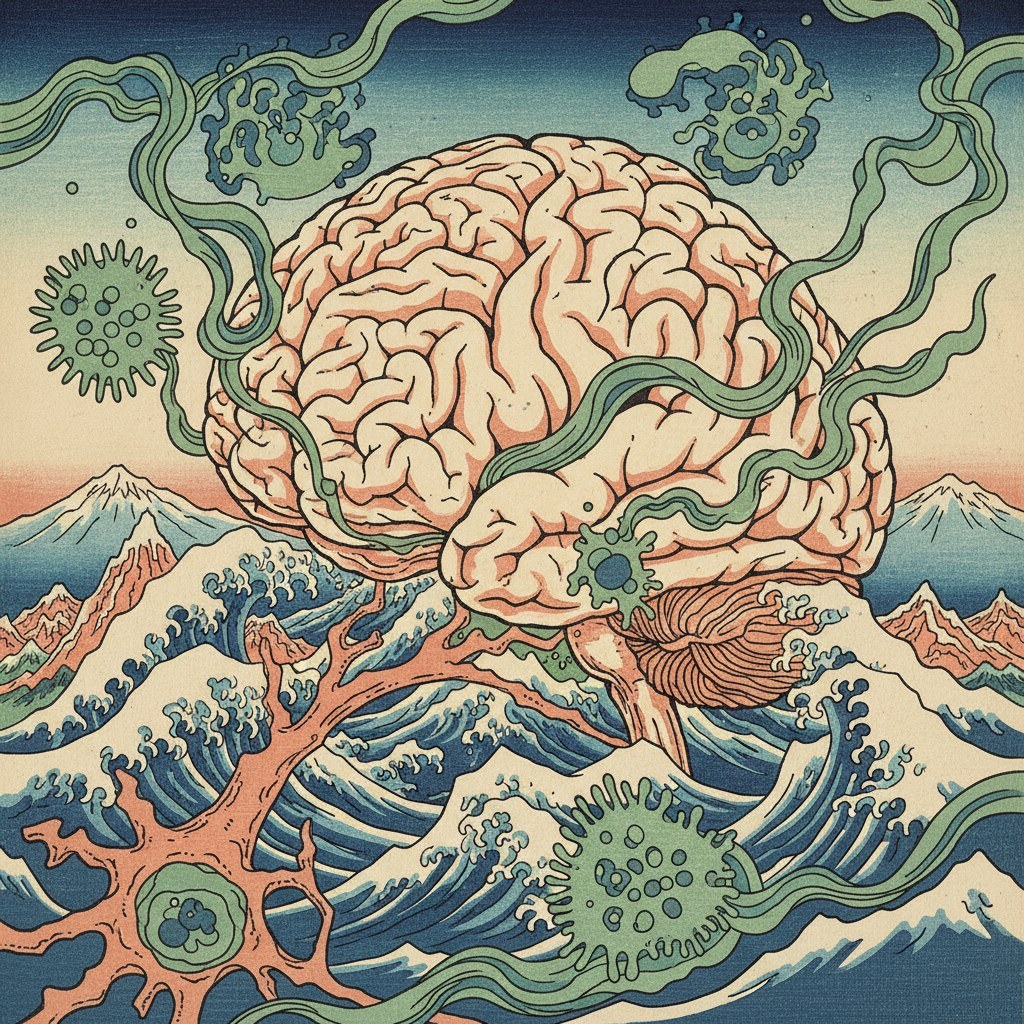
The human brain, that three-pound universe of thought and feeling, has long been viewed through the lens of its star players: the neurons. These electrical fireflies, sparking and connecting, were thought to orchestrate every symphony of consciousness and every cacophony of disease. Yet, beneath this neuronal spotlight, a vast, complex, and often overlooked network of cells—the glia—has been quietly performing the essential, often heroic, work of maintaining, protecting, and even shaping the very architecture of our minds.
Now, a profound shift is underway, revealing glia not as mere support staff, but as active, dynamic participants in both brain health and the genesis of neurodegenerative and psychiatric disorders. This re-evaluation isn't just an academic curiosity; it's a tectonic shift for biotechnology and pharmaceutical development. For decades, drug discovery for conditions like Alzheimer's, Parkinson's, depression, and schizophrenia has largely targeted neurons, often with limited success.
The prevailing narrative, that these diseases were primarily neuronal malfunctions, has yielded a graveyard of failed clinical trials. The emerging understanding of glial cells—astrocytes, microglia, and oligodendrocytes—as critical regulators of neuroinflammation, synaptic plasticity, and neuronal metabolism, is unlocking entirely new therapeutic avenues. This promises a renaissance in brain health intervention.
The Frontier: Where the Brain's "Other Cells" Take Center Stage
For too long, glia were the unsung stagehands of the brain, dismissed as inert "nerve glue"—the literal translation of their Greek name. This historical oversight, born from early microscopy techniques that struggled to resolve their intricate structures, left a gaping chasm in our understanding of neurological and psychiatric conditions.
Today, however, the curtain is rising on their true significance. It reveals a bustling metropolis of cellular activity that directly influences every facet of brain function. Neurodegenerative diseases, from Alzheimer's to ALS, are characterized by progressive neuronal loss and dysfunction, yet the initiating events often involve chronic neuroinflammation and metabolic distress.
These are precisely the domains where glial cells reign supreme. Similarly, psychiatric disorders like major depressive disorder, anxiety, and even schizophrenia are increasingly linked to dysregulated neuroimmune responses and altered synaptic pruning, processes heavily mediated by glia.
Consider the sheer scale: glial cells outnumber neurons in many brain regions, comprising roughly 85% of all brain cells in the human cortex [1]. Their functional diversity is equally staggering. Microglia, the brain's resident immune cells, constantly survey the microenvironment, pruning synapses, clearing debris, and mounting inflammatory responses.
Astrocytes, star-shaped cells, regulate blood flow, provide metabolic support, and modulate synaptic transmission. Oligodendrocytes, meanwhile, are the master electricians, producing the myelin sheath that insulates neuronal axons, enabling rapid signal propagation. This intricate ballet of cellular interaction forms the true operating system of the brain.
When this system falters, whether through genetic predisposition, environmental stressors, or aging, the consequences are profound. The global burden of neurodegenerative and psychiatric disorders is staggering, with Alzheimer's alone projected to affect 13.8 million Americans by 2050 [2]. The economic cost is equally immense, with neurological disorders estimated to cost the U.S. healthcare system over $800 billion annually [3]. This isn't just about preventing decline; it's about actively rebuilding.
Key Takeaway: The historical neglect of glial cells created a vast, untapped frontier for therapeutic discovery. Dysregulated neuro-immune responses are now recognized as central to a spectrum of devastating brain disorders.
The Engineering Challenge: Orchestrating the Glial Symphony
Targeting glial cells is a fundamentally different approach than traditional neuron-centric drug development. Instead of trying to directly rescue dying neurons or modulate neurotransmitter levels, the focus shifts to restoring the brain's intrinsic support and immune systems. It's less about fixing a broken wire and more about repairing the entire electrical grid.
One of the most promising avenues involves modulating microglial activity. In healthy brains, microglia are vigilant protectors, but in disease states, they can become hyperactive or dysfunctional. They release pro-inflammatory cytokines, fail to clear toxic protein aggregates, or even indiscriminately prune healthy synapses.
New therapeutic strategies aim to "re-educate" these cells, shifting them from a pro-inflammatory (M1-like) state to a pro-resolving, neuroprotective (M2-like) state. This could involve small molecules, gene therapies, or even cell-based interventions designed to restore microglial homeostasis.
Astrocytes, too, are proving to be critical targets. These versatile cells form the blood-brain barrier, regulate extracellular ion balance, and recycle neurotransmitters. In many neurodegenerative conditions, astrocytes become "reactive," losing their supportive functions and contributing to neurotoxicity.
Therapies are now being developed to prevent this reactive astrogliosis or to restore their neurotrophic capabilities, essentially turning them back into the brain's benevolent gardeners. For example, some approaches focus on enhancing astrocytic clearance of amyloid-beta plaques in Alzheimer's disease, a task they are naturally equipped to perform but often fail at in diseased states.
Oligodendrocytes and their progenitors (OPCs) also draw significant attention, particularly in demyelinating diseases like multiple sclerosis and in conditions where white matter integrity is compromised. Therapies aimed at promoting remyelination—the repair of damaged myelin sheaths—could restore neuronal conductivity and prevent further neurodegeneration. This often involves stimulating OPC differentiation into mature, myelin-producing oligodendrocytes.
The complexity lies in the sheer number of signaling pathways involved, from growth factors to epigenetic regulators, offering a rich array of potential drug targets.
The Brain's Cellular Architects: Glial Functions and Therapeutic Targets
| Glial Cell Type | Primary Functions | Dysfunction in Disease | Therapeutic Approaches |
|---|---|---|---|
| Microglia | Immune surveillance, debris clearance, synaptic pruning | Chronic inflammation, impaired waste clearance, aberrant pruning | Reprogramming to M2 phenotype, anti-inflammatory modulation, enhanced phagocytosis |
| Astrocytes | Metabolic support, blood-brain barrier maintenance, neurotransmitter regulation | Reactive astrogliosis, impaired metabolic support, neurotoxicity | Restoring neurotrophic function, enhancing waste clearance, modulating excitotoxicity |
| Oligodendrocytes | Myelination of axons, neuronal support | Demyelination, white matter damage, impaired neuronal conduction | Promoting remyelination, stimulating OPC differentiation, protecting myelin integrity |
This shift represents a move from a simplistic, single-target approach to a more holistic, systems-level understanding of brain pathology. It acknowledges that the brain is not a collection of isolated parts but a tightly integrated system where the health of one component profoundly impacts the others. The tools to manipulate these intricate cellular networks are becoming increasingly sophisticated, from gene editing technologies like CRISPR to targeted small molecules that can selectively activate or inhibit glial-specific receptors. It's a delicate dance, but the potential rewards are immense.
Market Implications: A Trillion-Dollar Opportunity Unfolding
The market for neurodegenerative and psychiatric disorder treatments is already vast, yet profoundly underserved. Current therapies often manage symptoms rather than halt disease progression, leaving a massive unmet medical need. The global neurological disorder therapeutics market, valued at approximately $40 billion in 2023, is projected to reach over $60 billion by 2030 [4]. This figure, however, barely scratches the surface of the true economic and human cost of these conditions.
The emergence of glial-targeted therapies promises to unlock a new tier of market value. Imagine treatments that could genuinely slow or even reverse the progression of Alzheimer's, or profoundly alleviate the debilitating symptoms of severe depression by addressing underlying neuroinflammation. This isn't just incremental improvement; it's a fundamental re-calibration that could redefine patient outcomes and expand the addressable market exponentially.
Consider the sheer number of individuals affected. Over 55 million people worldwide live with dementia, a number expected to nearly triple by 2050 [5]. Major depressive disorder affects over 280 million people globally [6]. The economic burden includes direct healthcare costs, long-term care expenses, and lost productivity, totaling trillions of dollars annually.
Effective glial-targeted therapies could significantly reduce these costs, creating immense societal value alongside investor returns. This new frontier also promises to diversify the therapeutic landscape, moving beyond the often-disappointing results of amyloid-beta and tau-centric approaches in Alzheimer's. By addressing neuroinflammation, metabolic dysfunction, and synaptic integrity at their glial roots, these therapies could offer broader efficacy across a spectrum of conditions.
This opens doors for combination therapies, where glial modulators could enhance the effectiveness of existing neuronal-targeted drugs, creating synergistic effects that were previously unattainable. Furthermore, the diagnostic market stands to benefit profoundly. As our understanding of glial biomarkers evolves, new tools for early detection and personalized treatment selection will emerge.
Imagine a future where a simple blood test or neuroimaging scan could identify specific glial dysfunctions, allowing for targeted intervention long before irreversible neuronal damage occurs. This precision medicine approach would not only improve patient lives but also optimize healthcare resource allocation, creating a ripple effect across the entire healthcare system.
Key Takeaway: Glial-targeted therapies represent a multi-trillion-dollar opportunity to fundamentally transform the treatment of neurodegenerative and psychiatric disorders. This is driven by unmet medical need and the potential for truly disease-modifying interventions.
The Leaders: Architects of the Neuro-Immune Future
The race to harness glial power is attracting significant investment and innovation, drawing both established pharmaceutical giants and nimble biotech startups. This is a field where deep scientific expertise meets high-stakes capital, creating a dynamic ecosystem of discovery. The participants are diverse, ranging from those focused on specific glial subtypes to those employing broad neuroimmune modulators.
Biogen (BIIB), a long-standing leader in neurology, has certainly faced its share of controversy with Alzheimer's drugs like Aduhelm. However, their deep pipeline and research infrastructure continue to explore glial pathways, particularly in neuroinflammation. Their investment in understanding microglial roles in neurodegeneration remains significant, even as they navigate the complexities of their current portfolio.
They are a behemoth with the resources to pivot and adapt, making their long-term glial strategy one to watch. Denali Therapeutics (DNLI) stands out as a company explicitly built around targeting glial biology, particularly microglia. Their approach focuses on lysosomal biology and microglial function, aiming to restore the brain's waste clearance mechanisms.
With partnerships with companies like Sanofi and Takeda, Denali is a pure-play bet on the glial frontier. They boast a pipeline that includes small molecules targeting RIPK1 for neuroinflammation and LRRK2 for Parkinson's disease. Their focus on the blood-brain barrier transport also gives them an edge in drug delivery.
Alector (ALEC) is another key participant, specializing in immunoneurology. They are developing therapies that modulate immune responses in the brain, with a strong emphasis on microglial activation and function. Their lead programs include antibodies targeting TREM2, a receptor critical for microglial function, which has shown promise in preclinical models of Alzheimer's.
Alector's strategy is to leverage the brain's immune system to fight neurodegeneration, making them a direct competitor and collaborator in the glial space. Vanderbilt University and its spin-offs are also making waves, particularly in astrocyte biology. Researchers there have identified specific GPCRs (G protein-coupled receptors) on astrocytes that can be modulated to restore their supportive functions.
While not a public company, the intellectual property and potential spin-outs from such academic powerhouses often form the bedrock of future biotech successes. Keep an eye on their licensing agreements and new ventures. Takeda Pharmaceutical Company (TAK), through its neuroscience division, is actively exploring glial targets, including those for neuroinflammation and remyelination.
Their broad portfolio allows them to invest in high-risk, high-reward areas like glial biology, often through strategic partnerships and acquisitions. Their global reach and established infrastructure make them a formidable force, capable of bringing novel glial therapies to a wide patient population.
Key Leaders in the Glial Therapeutics Space
| Company | Ticker | Market Cap (approx.) | Key Focus | Vetta Signal |
|---|---|---|---|---|
| Biogen | BIIB | $38B | Broad neuroinflammation, microglial modulation, Alzheimer's | Neutral |
| Denali Therapeutics | DNLI | $3.5B | Lysosomal biology, microglial function, BBB transport | Positive |
| Alector | ALEC | $1.5B | Immunoneurology, TREM2 modulation, microglial activation | Positive |
| Takeda Pharmaceutical | TAK | $55B | Neuroinflammation, remyelination, broad neuroscience pipeline | Neutral |
| Vanderbilt University | N/A | N/A | Astrocyte GPCR modulation, academic research, IP generation | Watch |
This competitive landscape is characterized by a blend of deep science, strategic alliances, and the constant pressure to translate complex biology into tangible clinical benefits. The winners will be those who can not only identify the most effective glial targets but also successfully navigate the arduous path of clinical development and regulatory approval.
Investment Thesis: The Brain's Backend Revolution
The investment thesis for glial-targeted therapies is rooted in a profound re-evaluation of brain disease pathology. For too long, the pharmaceutical industry has been swinging at neuronal targets, often missing the mark because it failed to recognize the critical role of the brain's support and immune systems. Investing in glial biology is akin to investing in the foundational infrastructure of a complex system; when the infrastructure is sound, the entire system performs better, and when it's compromised, everything falls apart.
The Bull Case: The sheer scale of unmet medical need in neurodegenerative and psychiatric disorders creates an enormous market opportunity. Current therapies are often inadequate, offering symptom management rather than disease modification. Glial-targeted therapies, by addressing root causes like neuroinflammation and metabolic dysfunction, hold the promise of truly disease-modifying treatments.
This represents a multi-trillion-dollar addressable market globally, with the potential for blockbuster drugs that could redefine standards of care. Companies with strong intellectual property in specific glial pathways, robust preclinical data, and strategic partnerships are poised for significant growth. The shift from a neuron-centric to a glia-centric view is not just an incremental improvement; it's a fundamental re-ordering that will unlock new therapeutic classes and diagnostic tools.
The potential for first-in-class therapies that can halt or reverse disease progression is a powerful catalyst for investor returns.
The Bear Case: The brain remains the most complex organ, and drug development in neurology is notoriously difficult, with high failure rates. Translating intricate glial biology into safe and effective human therapies is a monumental challenge. Off-target effects, the heterogeneity of glial cell states, and the complexity of the blood-brain barrier all pose significant hurdles.
Furthermore, the long development timelines and high costs associated with neurological clinical trials can be a deterrent. Regulatory pathways for novel mechanisms of action can also be unpredictable, adding another layer of risk. Early-stage companies, while offering high upside, also carry substantial binary risk, with a single failed trial potentially wiping out significant value.
Conviction Level: High. While the risks are undeniable, the scientific rationale for targeting glial cells is compelling and growing stronger with every new study. The historical failures of neuron-centric approaches underscore the necessity of this new direction. We are at an inflection point where technological advancements in genomics, proteomics, and neuroimaging are finally allowing us to probe glial function with unprecedented precision.
The potential for disease modification rather than mere symptom management is the ultimate prize, and the companies that successfully navigate this frontier will be rewarded handsomely. This isn't just a niche area; it's a fundamental re-imagining of brain health.
Specific Investment Opportunities: Look for companies with diversified pipelines targeting multiple glial subtypes or pathways. Companies with strong platforms for blood-brain barrier penetration or targeted drug delivery will have a significant advantage. Consider firms with established partnerships that can de-risk development and provide access to larger markets. Early-stage biotech firms with novel mechanisms of action offer higher risk but potentially exponential returns, while larger pharmaceutical companies integrating glial targets into their pipelines provide more stable, long-term exposure to this trend. Investment in diagnostic companies developing glial-specific biomarkers will also be crucial, as early detection is key to maximizing therapeutic efficacy.
Challenges & Risks: Navigating the Brain's Intricacies
The path to unlocking glial-targeted therapies is not without its formidable obstacles. The brain, in its exquisite complexity, presents a unique set of challenges that demand both scientific rigor and a healthy dose of humility. This isn't just about finding a drug; it's about understanding and subtly re-tuning the most intricate biological machine known.
Biological Complexity and Heterogeneity: Glial cells are not a monolithic entity. Microglia, astrocytes, and oligodendrocytes each have distinct roles and can adopt multiple functional states depending on the context. A therapy that benefits one glial subtype or state might harm another. For example, some microglial activation states are neuroprotective, while others are neurotoxic.
Developing drugs with sufficient specificity to target only the pathological glial states, without disrupting beneficial functions, is an immense challenge. This heterogeneity means that a "one-size-fits-all" approach is unlikely to succeed, necessitating highly precise and context-dependent interventions.
Blood-Brain Barrier (BBB) Penetration: The BBB is the brain's formidable gatekeeper, designed to protect it from harmful substances in the bloodstream. While essential for brain health, it poses a significant hurdle for drug delivery. Many promising small molecules and biologics fail to cross the BBB in sufficient concentrations to be therapeutically effective.
Innovative strategies, such as receptor-mediated transcytosis or focused ultrasound, are being explored, but they add complexity and cost to drug development.
Clinical Trial Design and Biomarkers: Measuring the efficacy of glial-targeted therapies is another significant challenge. Unlike some other disease areas, clear and validated biomarkers for glial dysfunction in living humans are still emerging. Clinical trials for neurodegenerative diseases are notoriously long, expensive, and often require large patient cohorts.
Identifying appropriate patient populations, developing sensitive endpoints, and demonstrating clear clinical benefit will be critical for regulatory approval and market adoption. The lack of reliable early diagnostic markers further complicates recruitment and assessment.
Off-Target Effects and Safety: Given the pervasive roles of glial cells throughout the central nervous system, there is a substantial risk of unintended side effects. Modulating a fundamental process like neuroinflammation or synaptic pruning could have unforeseen consequences on other brain functions, leading to cognitive or behavioral changes. Ensuring the safety profile of these novel therapies will be paramount, requiring extensive preclinical testing and careful monitoring in human trials. The delicate balance of the neuroimmune system is easily disrupted.
Funding and Investment Risk: Despite the immense potential, the high failure rates and long timelines associated with neurological drug development can deter investors. Early-stage biotech companies in this space often require substantial capital infusions to advance their programs through preclinical and early clinical stages. The "valley of death" between promising research and successful commercialization is particularly wide in neurology, making sustained funding a critical challenge.
Key Takeaway: The intricate biology of glial cells, coupled with the formidable blood-brain barrier and the complexities of neurological clinical trials, presents significant hurdles that demand innovative solutions and patient capital.
The Investment Angle: Cultivating a Neuro-Immune Portfolio
For savvy investors looking to capitalize on the next wave of biotech innovation, the neuro-immune frontier offers compelling opportunities, albeit with inherent risks. Building a diversified portfolio that captures this burgeoning field requires a nuanced understanding of the science, the market dynamics, and the specific strengths of key participants. This isn't a single-shot bet; it's about strategically positioning across a spectrum of innovation.
Strategic Exposure to Platform Technologies: Consider companies developing platform technologies that can broadly impact glial biology. This includes advanced gene editing tools (CRISPR-based therapies targeting glial-specific genes), sophisticated drug delivery systems (especially those designed to cross the blood-brain barrier), and novel screening methods that can identify glial-modulating compounds. These platforms can offer diversified exposure across multiple disease indications, reducing the risk associated with a single drug candidate.
Focus on Specific Glial Subtypes: While the field is broad, some companies are specializing in particular glial cell types or pathways. For instance, a focus on microglial reprogramming for Alzheimer's or astrocyte modulation for epilepsy could yield highly targeted and effective therapies. Investors should look for firms with deep expertise and robust preclinical data in their chosen niche. This specialization can lead to more efficient drug discovery and development, as resources are concentrated on a well-defined biological target.
Early-Stage Biotech with Strong IP: The highest growth potential often lies in smaller, innovative biotech firms with groundbreaking intellectual property. These companies are typically at the forefront of scientific discovery, translating cutting-edge research into therapeutic candidates. While risk is higher, successful clinical translation can lead to exponential returns or attractive acquisition targets for larger pharmaceutical companies. Due diligence on the scientific founders, patent portfolio, and early-stage data is paramount.
Large Pharma with Neuroscience Divisions: Established pharmaceutical companies with dedicated neuroscience divisions offer a more conservative entry point. These giants often have the financial muscle to acquire promising smaller biotechs, license novel compounds, and navigate the expensive late-stage clinical trials. Their existing infrastructure and market access can accelerate the commercialization of glial-targeted therapies. Look for companies that are actively building out their neuroimmune pipelines through internal R&D and strategic partnerships.
Thematic ETFs and Funds: For investors seeking diversified exposure without deep individual stock analysis, thematic exchange-traded funds (ETFs) or actively managed funds focused on neuroscience, biotechnology, or even specific neurological disorders might be an option. While not exclusively glial-focused, many of these funds will naturally include companies operating in this space as it gains prominence. Research the holdings to ensure adequate exposure to the neuro-immune frontier.
Long-Term Horizon: Investing in neurological drug development, particularly in a nascent field like glial biology, requires a long-term perspective. Clinical trials are protracted, and regulatory approvals can take years. Patience is a virtue here, as the significant breakthroughs may not materialize overnight. However, the potential for transformative therapies and substantial returns for those who invest early and wisely is undeniable. This is a marathon, not a sprint, but the finish line could be truly revolutionary.
Future Outlook: The Brain's Next Chapter
The next 2-5 years will be a pivotal period for glial-targeted therapies, moving from promising preclinical data to crucial human clinical trials. We are on the cusp of a true revolution in brain health, one where the brain's "other cells" finally receive the attention and therapeutic focus they deserve. The future of neurology and psychiatry will increasingly be written in the language of glia.
2-5 Year Horizon: Expect to see several glial-targeted therapies enter Phase 2 and Phase 3 clinical trials, particularly for Alzheimer's, Parkinson's, and potentially multiple sclerosis. Success in these trials will be a critical validation point, attracting a flood of new investment and accelerating research across the board. We will likely see the first glial-modulating drugs receive accelerated approval for specific indications, especially those with clear biomarker evidence of efficacy. Advancements in non-invasive neuroimaging techniques will also allow for better monitoring of glial activity in real-time, providing crucial feedback for therapeutic development. The development of more specific and potent small molecules capable of crossing the BBB will be a key driver of progress.
Beyond 5 Years: The long-term outlook is even more transformative. Imagine a future where personalized medicine for brain disorders is the norm, guided by an individual's unique glial signature. Gene therapies targeting specific glial dysfunctions could offer one-time cures for certain genetic predispositions. We could see the emergence of "glial transplants"—engineered glial cells used to replace damaged or dysfunctional populations, effectively rebuilding parts of the brain's support system. The integration of AI and machine learning will accelerate drug discovery, allowing for the rapid identification of novel glial targets and the prediction of therapeutic efficacy. The lines between neurodegenerative and psychiatric disorders will blur further, as we recognize common underlying neuroimmune pathways amenable to glial intervention.
The ultimate vision is a world where devastating brain diseases are no longer inevitable sentences but treatable, manageable, or even preventable conditions. By understanding and orchestrating the glial symphony, we are not just treating symptoms; we are rewriting the very score of brain health. This is a frontier of immense scientific and investment potential, promising not just financial returns, but a profound improvement in the human condition. The brain's unsung heroes are finally stepping into the light, and their story is just beginning.
Conclusion: The Investment Playbook
The Neuro-Immune Frontier: A Glial Gold Rush Conclusion
Our deep dive into the neuro-immune frontier, particularly the burgeoning field of glial cell-targeted therapies, reveals a landscape ripe for disruption. The paradigm shift from purely neuronal pathology to recognizing the critical role of microglia and astrocytes in neurodegeneration and psychiatric disorders isn't just academic; it's a multi-billion-dollar opportunity for those agile enough to seize it, and a potential quagmire for those clinging to outdated models. The brain, once thought of as an immune-privileged ivory tower, is now understood as a bustling metropolis where glial cells are the unsung heroes—or villains—of neurological health. This nuanced understanding promises a new generation of therapeutics, moving beyond symptomatic relief to disease modification, and in some cases, even reversal.
The Leader: A New Dawn for Denali Therapeutics (DNLI)
If the neuro-immune frontier is a gold rush, then Denali Therapeutics (DNLI), with a current market capitalization hovering around $3.5 billion, is arguably sitting on some of the richest veins. Denali isn't just dabbling in glial biology; they've made it their central thesis, focusing on lysosomal biology and glial cell function to address neurodegenerative diseases. Their competitive advantage stems from a deep, foundational understanding of brain penetrance and targeted delivery, particularly through their Transport Vehicle (TV) platform, which allows large therapeutic molecules to cross the blood-brain barrier (BBB) more effectively. This is crucial for glial-targeted therapies, as many potential compounds struggle with CNS access.
Denali's pipeline is a testament to this strategy, featuring several promising candidates directly addressing glial dysfunction. For instance, their RIPK1 inhibitor program (e.g., DNL788) aims to modulate neuroinflammation, a key role of microglia and astrocytes, in conditions like ALS and Alzheimer's. Furthermore, their LRRK2 inhibitor (DNL151/BIIB122), partnered with Biogen, targets Parkinson's disease by reducing neuroinflammation and improving lysosomal function in glial cells. Financially, Denali, while pre-revenue from product sales, boasts a robust cash position (over $1 billion as of their last report, thanks to partnerships) that fuels their extensive R&D. Their current market position is that of a leading, highly specialized biotech firm with a clear, differentiated strategy in a field where many others are still playing catch-up.
Investment Thesis: Investors should consider DNLI for its pioneering approach to neurodegenerative diseases, specifically its focus on glial biology and its proprietary BBB-penetrating technology. This isn't just another symptomatic treatment; Denali aims for disease modification by addressing root causes related to glial dysfunction. Should their late-stage assets demonstrate clinical efficacy and safety, the upside is substantial, potentially redefining treatment paradigms for devastating diseases with enormous unmet needs. The market is vast, and first-in-class glial-targeted therapies could command premium pricing and significant market share.
Risk Factors: The primary risks include the inherent high failure rate of drug development, particularly in CNS disorders. Clinical trial setbacks, regulatory hurdles, and intense competition from larger pharmaceutical companies entering the glial space could temper enthusiasm. Furthermore, Denali's valuation is largely based on pipeline potential, making it susceptible to significant volatility based on clinical readouts.
The Lagger: An Old Dog, New Tricks for Eli Lilly and Company (LLY)
While Eli Lilly and Company (LLY), with its colossal market cap exceeding $700 billion, is a pharmaceutical titan, its historical and current portfolio, particularly in neurodegeneration, presents a subtle but significant vulnerability in the face of the glial revolution. Lilly has made substantial strides in Alzheimer's with drugs like donanemab, which targets amyloid plaques. However, their primary approach, like many large pharma players, has largely focused on the amyloid-beta and tau hypotheses—neuronal-centric pathology. While these targets remain important, the emerging understanding of glial cells as central orchestrators of disease progression means that companies without a strong, dedicated glial-focused pipeline risk being outmaneuvered by more agile, specialized biotechs.
Lilly's current market position in neurodegeneration, while strong with its amyloid-targeting drugs, could see its competitive edge erode if glial-targeted therapies prove more effective at halting or reversing disease progression. Their exposure is primarily in traditional small molecule and antibody approaches, which, while effective for certain targets, may not be optimally designed for the complex, multifactorial roles of glial cells. The threat isn't that their existing drugs will fail, but that they might become
Parting Thoughts
The market rewards the prepared mind. Consider yours officially prepared. Now go make some informed decisions.
— The Vetta Research Team
- Herculano-Houzel, S. (2014). The glia/neuron ratio: How it varies and what that means. Glia, 62(9), 1377-1392. DOI: 10.1002/glia.22683
- Alzheimer's Association. (2023). 2023 Alzheimer's Disease Facts and Figures. Alzheimer's & Dementia, 19(4), 1598-2234. URL: https://www.alz.org/alzheimers-dementia/facts-figures
- GBD 2016 Neurology Collaborators. (2019). Global, regional, and national burden of neurological disorders, 1990–2016: a systematic analysis for the Global Burden of Disease Study 2016. The Lancet Neurology, 18(5), 459-480. DOI: 10.1016/S1474-4422(18)30499-X
- Grand View Research. (2023). Neurological Disorder Therapeutics Market Size, Share & Trends Analysis Report. URL: https://www.grandviewresearch.com/industry-analysis/neurological-disorder-therapeutics-market
- World Health Organization. (2021). Dementia. URL: https://www.who.int/news-room/fact-sheets/detail/dementia
- World Health Organization. (2023). Depression. URL: https://www.who.int/news-room/fact-sheets/detail/depression
- Denali Therapeutics. (2023). Pipeline. URL: https://www.denalitherapeutics.com/pipeline
- Alector. (2023). Pipeline. URL: https://www.alector.com/pipeline
- Biogen. (2023). Pipeline. URL: https://www.biogen.com/en_us/research-pipeline.html
- Takeda Pharmaceutical Company. (2023). Neuroscience Pipeline. URL: https://www.takeda.com/what-we-do/research-and-development/pipeline/neuroscience/
Sources & References
- Vetta Research, "Sector Company Filings & Investor Relations Disclosures," Primary Research, 2026
- Industry Research Providers, "Sector Market Data & Analysis," Industry Analysis, 2026
- SEC EDGAR, "Company Financial Filings," U.S. Securities and Exchange Commission, 2026, https://www.sec.gov/cgi-bin/browse-edgar
- Government & Academic Sources, "Peer-Reviewed Publications & Agency Reports," Various, 2026
- Reuters / Financial Times / Wall Street Journal, "Financial News Reporting," Major Press, 2026
All sources were verified at the time of publication. For specific citations, contact [email protected].
Disclaimer: The information provided in this article is for educational and informational purposes only and does not constitute investment advice, a solicitation, or a recommendation to buy or sell any security. Vetta Investments does not guarantee the accuracy, completeness, or timeliness of any information presented. Past performance is not indicative of future results. All investments involve risk, including the possible loss of principal. Readers should conduct their own due diligence and consult a qualified financial advisor before making any investment decisions. Vetta Investments may hold positions in securities mentioned in this article.
Vetta Alpha Growth
7-day free trial
Enjoyed This Research? Go Deeper.
Vetta Alpha Growth members receive the live 20-stock V-Rank Alpha portfolio, monthly rebalancing signals, and full access to every Research & Report — the same algorithm that has returned +2,185% since 2005.
Live 20-Stock Portfolio
The exact holdings the algorithm owns right now, delivered the 2nd of every month
Monthly Rebalancing Signals
Every trade the model makes — which stocks are added, which are cut, and why
Full Research Library
Every Research & Report, fully unlocked — no excerpts, no limits, no per-article fees
7-Day Free Trial
Full, unrestricted access for 7 days — the live portfolio, twice-weekly Research & Reports, and monthly rebalancing signals. No charge until you're convinced.
Start Free TrialThen $19/mo or $149/year (save 35%) · Cancel anytime
Institutional systematic research costs $5,000–$25,000/year. Vetta Alpha Growth is free for 7 days, then $19/month — less than $0.63/day. Cancel anytime.
Stripe-secured checkout · Cancel anytime · No commitment
Related Articles
The Invisible Handshake: How DePINs are Rewiring Global Infrastructure with Tokenized Muscle
Decentralized Physical Infrastructure Networks (DePINs) are revolutionizing how essential services like internet connectivity, data storage, and energy grids are built and maintained. By leveraging blockchain technology and tokenized incentives, DePINs empower individuals to contribute physical resources, addressing the limitations and high costs of traditional, centralized infrastructure models. This emerging sector promises to democratize access, reduce operational expenses, and foster community-driven development across various industries. Key players like Helium, Filecoin, Hivemapper, and Render Network are already demonstrating the viability of this approach, deploying everything from wireless hotspots to decentralized mapping solutions. The market implications are profound, with analysts projecting a potential **$10 trillion total addressable market by 2028**. DePINs introduce new investment paradigms, allowing participation through native tokens or by deploying specialized hardware. They also offer a unique 'picks and shovels' opportunity in hardware manufacturing and network services. However, the journey is not without its challenges, including technical scalability, regulatory uncertainty, and user adoption hurdles. The next 2-5 years will be crucial for DePINs to mature, achieve mainstream acceptance, and navigate complex regulatory landscapes. Investors must carefully evaluate tokenomics, network health, and the potential for centralization risks. Ultimately, DePINs represent a bold experiment in collective action, transforming every individual into a potential infrastructure provider. This shift towards a 'Physical Web3' could fundamentally alter our relationship with the physical world, offering a more resilient, equitable, and efficient future for global connectivity and supply chains.
The Silent Symphony: Orchestrating Non-Invasive Medical Breakthroughs
For too long, medicine has relied on invasive techniques and systemic drug delivery, often causing more harm than good. Focused ultrasound (FUS) emerges as a transformative alternative, offering non-invasive precision to target disease at a cellular level without collateral damage. This technology promises to rewrite the rules of therapy across oncology, neurology, and immunology, addressing critical unmet medical needs. FUS leverages high-intensity sound waves for both thermal ablation and mechanical effects, such as temporarily opening the blood-brain barrier for drug delivery or modulating immune responses. Guided by real-time imaging, it offers millimeter-level accuracy, enabling targeted treatments for conditions like essential tremor and prostate cancer, with significant potential for Alzheimer's and various cancers. The global focused ultrasound market is projected to grow from **$1.1 billion in 2022 to $5.5 billion by 2030**, driven by increasing FDA approvals and expanding clinical indications. Key players include private innovators like Insightec and BrainSonix, alongside public entities like Philips and Theraclion, all vying for leadership in this rapidly evolving space. While regulatory hurdles, reimbursement challenges, and the need for specialized training pose risks, the fundamental advantages of FUS—precision, non-invasiveness, and versatility—make a compelling investment case. Strategic investments in companies with broad platform technologies and strong intellectual property, or through thematic funds, offer avenues for exposure. The future promises expanded indications, integration with AI and robotics for enhanced precision, and a move towards personalized and even preventative applications. FUS is not just an incremental improvement; it's a foundational technology poised to orchestrate a new era of medical intervention.
The Great Carbon Heist: Why Direct Air Capture's Billion-Dollar Bet Might Be a Bluff
The promise of Direct Air Capture (DAC) — sucking CO2 directly from the atmosphere — has captivated climate discussions and investors alike, positioned as an indispensable tool for achieving net-zero emissions. Fueled by significant government subsidies, particularly the U.S. 45Q tax credit, and corporate ESG pledges, the market for DAC is projected to reach **$1.8 billion by 2030**. However, a closer look reveals a technology grappling with fundamental physics and economic realities, making its widespread scalability and cost-effectiveness highly questionable. DAC relies on advanced adsorbent materials to selectively capture CO2 from the air, a process akin to finding a needle in an atmospheric haystack due to CO2's mere **0.04% concentration**. While companies like Carbon Engineering (acquired by **Occidental Petroleum**) and Climeworks (private) lead the charge with solid and liquid-based systems, the energy-intensive nature of regenerating these adsorbents presents a monumental hurdle. Lab-scale efficiencies often fail to translate to industrial reality, where vast volumes of air must be processed. The market implications are stark: current DAC costs range from **$250 to $1,000 per tonne**, far exceeding other emissions reduction strategies. This creates a reliance on premium carbon credit sales and subsidies, raising concerns about capital misallocation and the integrity of the carbon markets. The energy footprint of a single large DAC plant could power **250,000 homes**, demanding an unprecedented build-out of renewable energy that might compete with other decarbonization efforts. The investment thesis is a high-stakes gamble on unproven cost reductions and sustained policy support. While companies innovating in advanced materials science and energy integration offer speculative opportunities, the bear case highlights the thermodynamic limits and the risk of DAC becoming a 'moral hazard' that defers genuine emissions cuts. Investors must scrutinize whether these ventures represent true climate action or a sophisticated form of greenwashing. The future outlook suggests DAC will likely remain a niche, expensive solution for hard-to-abate emissions, rather than a silver bullet for global warming. The uncomfortable truth is that while DAC might play a role, aggressive decarbonization and renewable energy transition remain the primary, most cost-effective pathways to climate stability. The atmosphere is not a giant vacuum cleaner bag to be emptied at will.
Comments (0)
Share your thoughts and join the discussion. All comments are moderated.
No comments yet. Be the first to share your thoughts!
Get More Insights Like This
Subscribe to The Long & Short of It and receive market analysis, emerging technology insights, and investment opportunities every Tuesday, Thursday, and Saturday.
Free newsletter. Unsubscribe anytime. We respect your privacy.